 Block Paving
 Paving Slabs
 Permeable Paving
 Retaining Walls
 Facing Bricks & Walling
 Kerbs & Edging
 Steps
Steps
0 products added
Products
Back



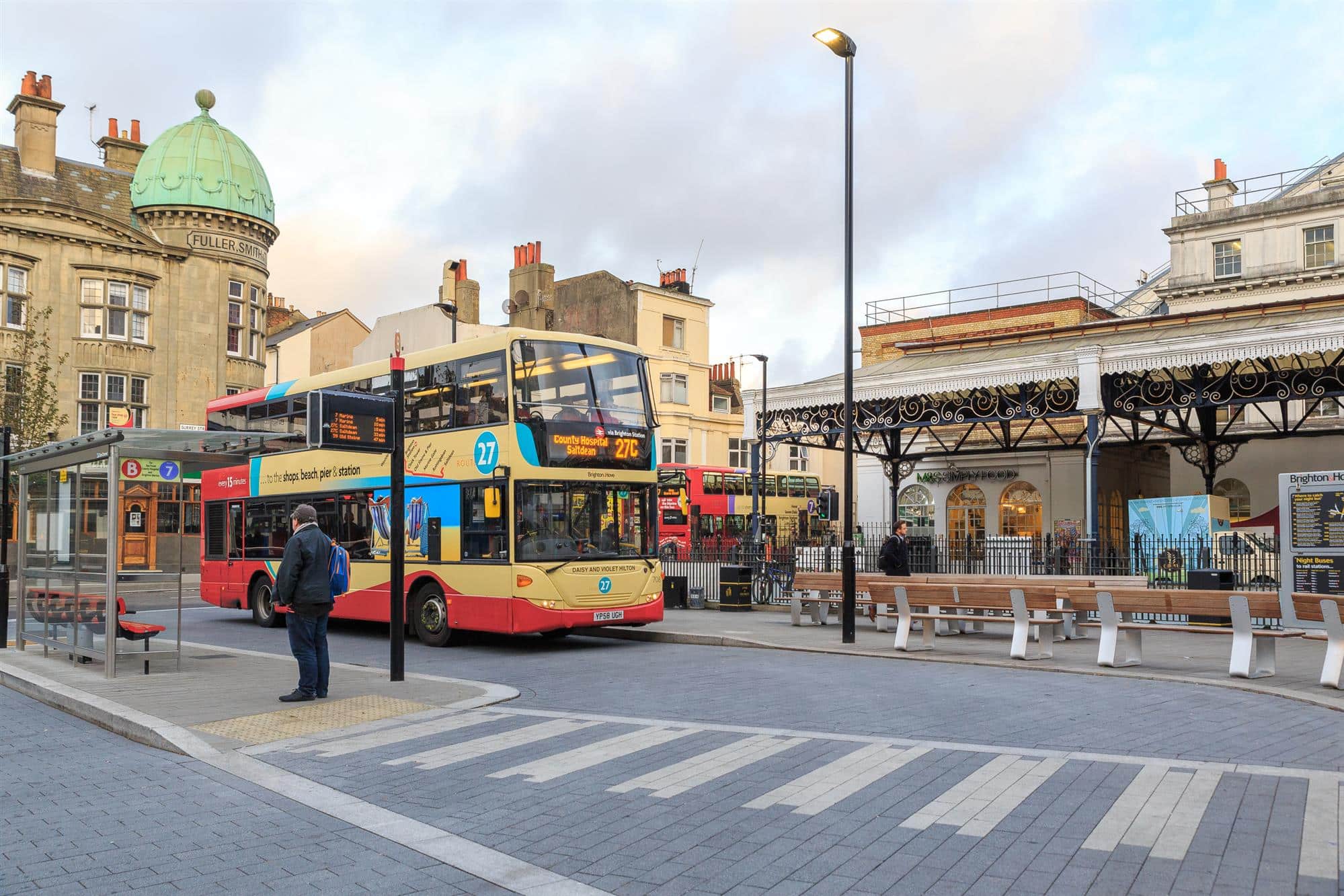
When selecting the most suitable surface for roads, including adopted roads, there are several key factors to consider. These typically include durability, maintenance and repair, cost and aesthetic appeal.
Interlocking block paving and asphalt represent two very different approaches to road construction. This blog explores how interlocking paving compares with asphalt across each of these aspects. It highlights why interlocking paving is a popular choice for local authorities and housing developments seeking an attractive, durable and low-maintenance paving solution.
Interlocking paving provides a durable and hard-wearing solution for road surfaces and is available in a wide variety of colours and textures to complement the surrounding hard landscaping and local character. Interlocking concrete blocks are designed to prevent movement, offering maximum stability, while a hardened surface layer helps resist everyday wear and tear.
In contrast, asphalt roads or tarmac roads, as they are often called, comprise surfacing material made from a mixture of aggregates, such as gravel or crushed stone, bound together with bitumen. Additional additives, including polymers, may be incorporated to enhance its performance characteristics. Tarmac roads have limited aesthetic appeal and are often used for main roads and highways.
The different compositions give each type of road different characteristics that affect their suitability when looking at different project drivers for paving specification:
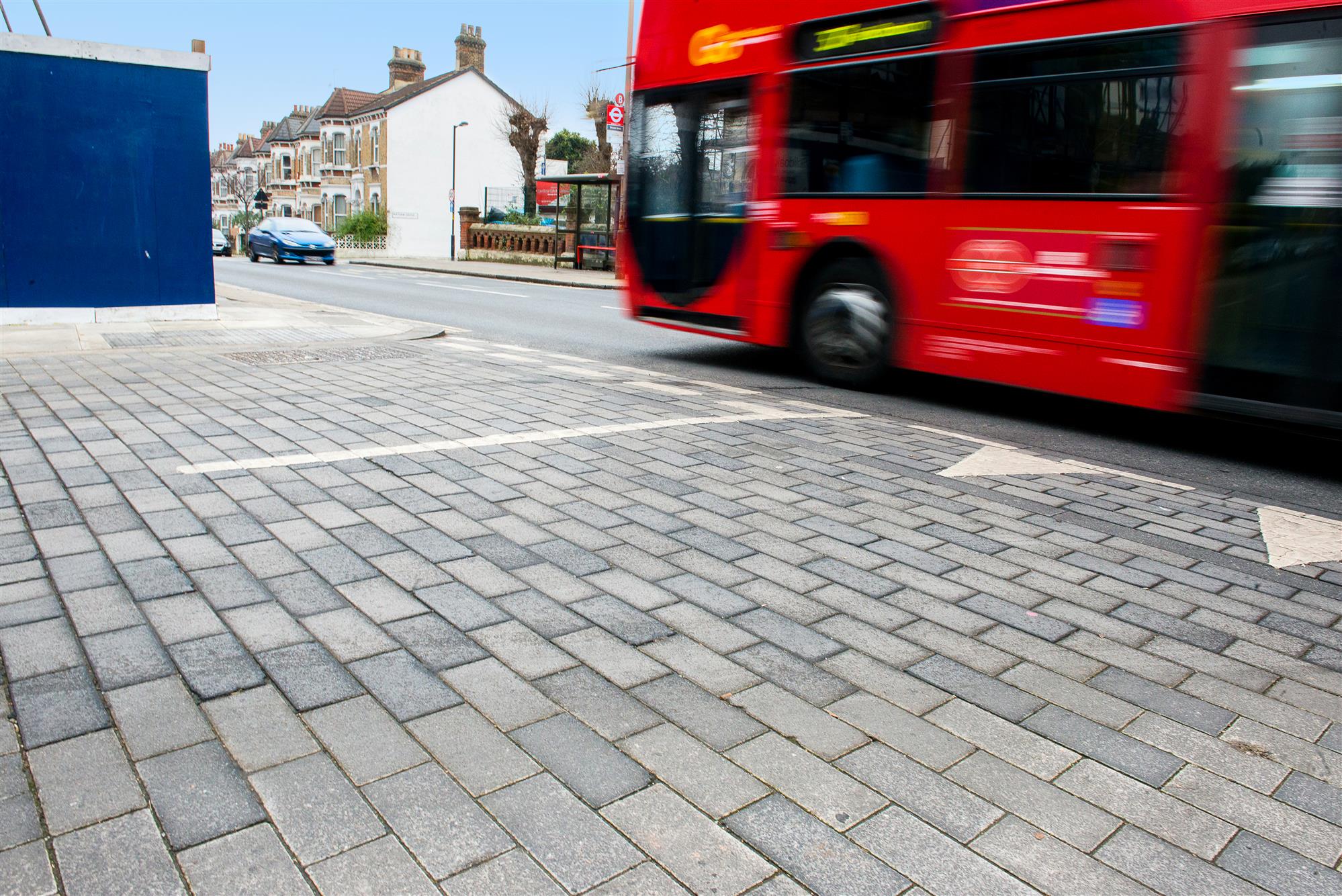
Interlocking paving is robust and often more durable than tarmac. It offers excellent resistance to heavy loads and is particularly well suited to low-speed, high-load environments such as car parks, airport pavements, industrial yards and public spaces. Interlocking block paving specifiers and contractors can generally expect up to a 35-year lifespan. Asphalt roads tend to last around 15 to 20 years.

Interlocking paving can be easily lifted and replaced using the original individual blocks without leaving visual signs of repair and the robust paving generally requires minimal maintenance. Asphalt surfaces, however, are more susceptible to cracking and should be regularly sealed to help prevent potholes from developing. Where potholes do occur, they must be repaired promptly and leave visible patches or scar-like reinstatements. In addition, the asphalt surface should typically be resealed every three to five years to protect against damage from UV and seal any micro-cracks.
The initial material cost of interlocking paving is typically higher than that of asphalt roads. However, this difference is often offset by the shorter lifespan of asphalt, along with the need to account for the higher long-term costs associated with more frequent repairs and maintenance of tarmac surfaces when compared with interlocking block paving.
Interlocking block paving is available in an ever-expanding range of shapes, sizes, colours, and surface finishes. This design flexibility allows architects, landscape designers, and engineers to create unique layouts and patterns suited to specific environments. In contrast, asphalt roads have limited aesthetic appeal and tend to be used where functionality has a higher priority over visual appearance.

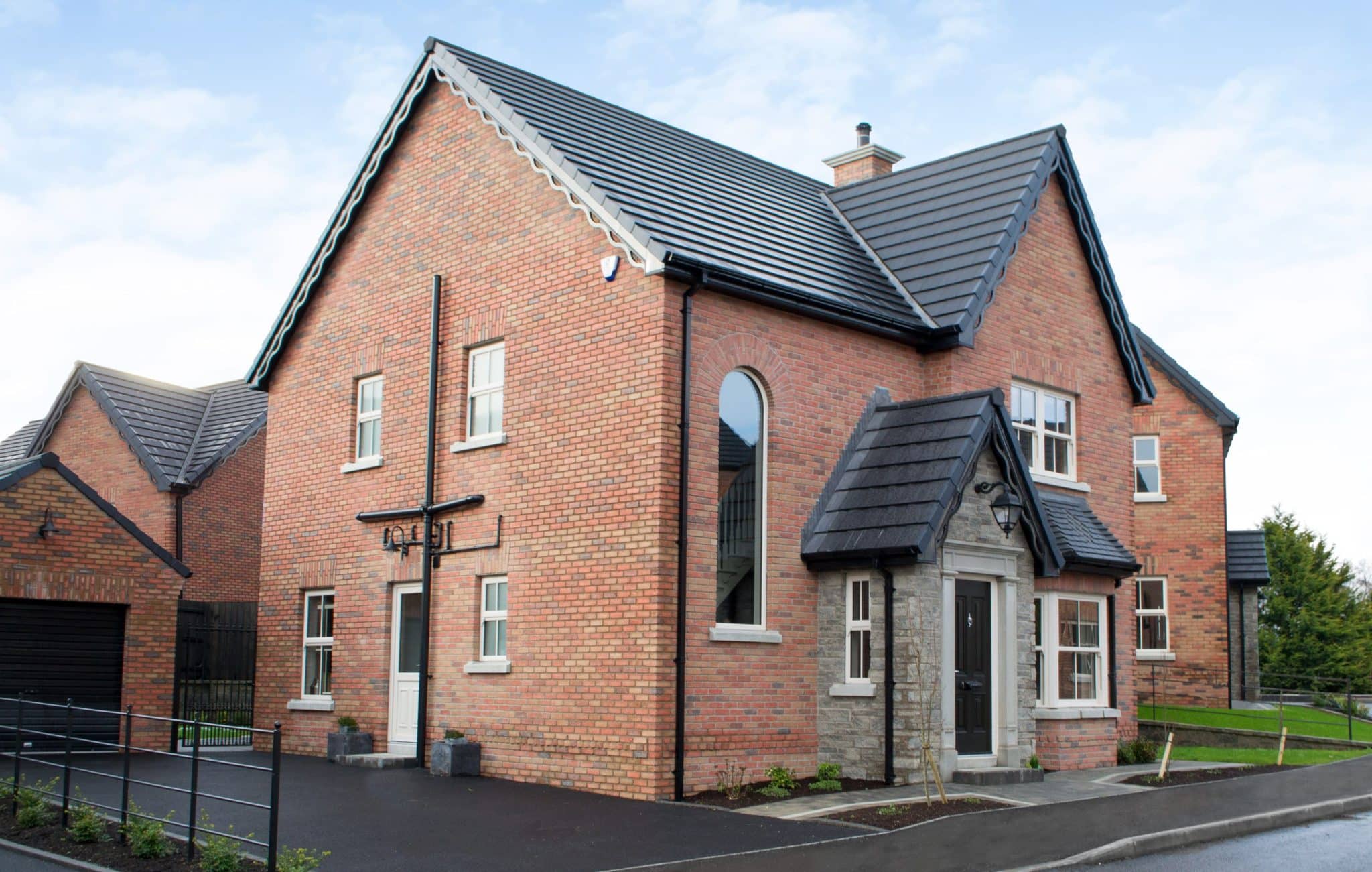
Public realm projects cover local roads, as well as high streets and housing estates. These projects require a blend of form and functionality. The aesthetics of different types of road surface need to be considered to complement the overall project design, but not to the detriment of the durability and robustness of the road surface. The time required for long term maintenance and ease, along cost of repairs to the road surface also play an important role in their specification. The same reasoning applies to those roads in housing developments that initially start off as private but will eventually become adopted roads by the council.
Therefore, the wide choice of colours and finishes, high durability and low maintenance requirements offered by interlocking paving make it a good choice for local authority roads in public areas, and those on housing developments may become adopted roads in the future.
As interlocking paving blocks are manufactured in a controlled factory environment, ensuring consistent quality, precise dimensions, and reliable performance, they are readily available from stock for new projects and also for contractors requiring replacement blocks for repair and maintenance activities.
Tobermore has an extensive range of concrete block paving offering both form and functionality to specifiers and contractors.
Our hard-wearing Tetralock concrete paving blocks are designed for commercial and residential use and feature our unique Tetralock spacer that adds shift protection as Craig McBride, Product Development Manager at Tobermore at Tobermore explains, “Tetralock has interlocking nibs on all four sides of the block plus profiled grooves on the bottom surface creating the fifth side of shifting prevention. The profiled underside creates a “clawing effect” in the pavement laying course and increases frictional resistance by 54% compared to non-profiled stones. All of this results in an extremely stable pavement that protects against horizontal and vertical movements. This unique groove system provides improved stability and interlocking capabilities that outperforms standard concrete block paving giving our customers the reassurance that Tetralock will prove to be exceptionally stable and robust for sustained long-term performance.”
If you’d like to learn more about interlocking block paving, explore our dedicated Tetralock page or get in touch with our technical team for expert advice on your next paving project.
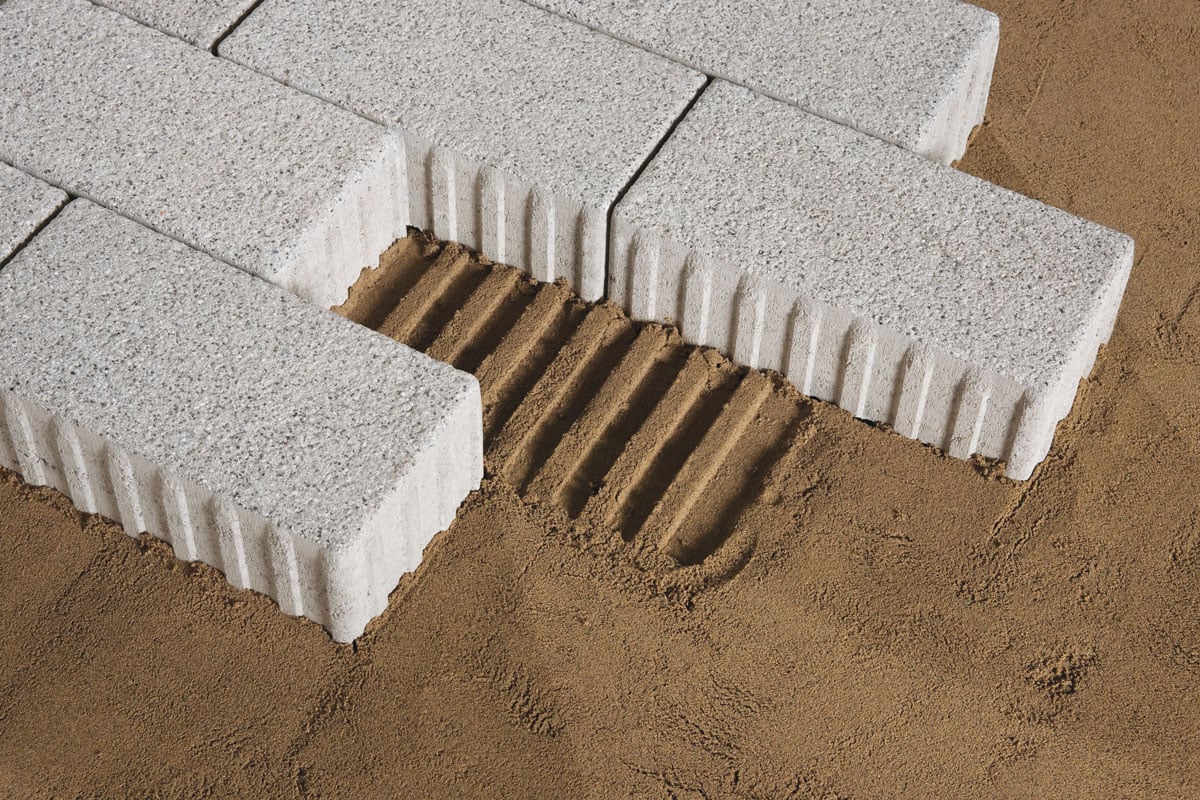
Perfect for commercial traffic, Tetralock is an interlocking block paving solution designed for exceptional stability and load-bearing strength.