 Block Paving
 Paving Slabs
 Permeable Paving
 Retaining Walls
 Facing Bricks & Walling
 Kerbs & Edging
 Steps
0 products added
Products
Back


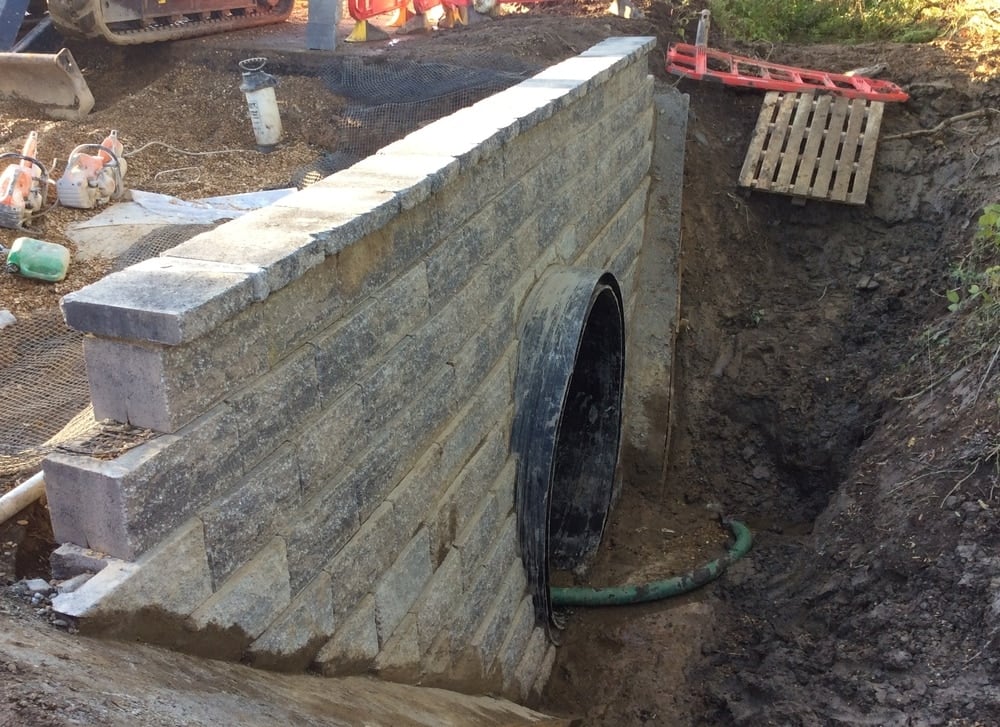
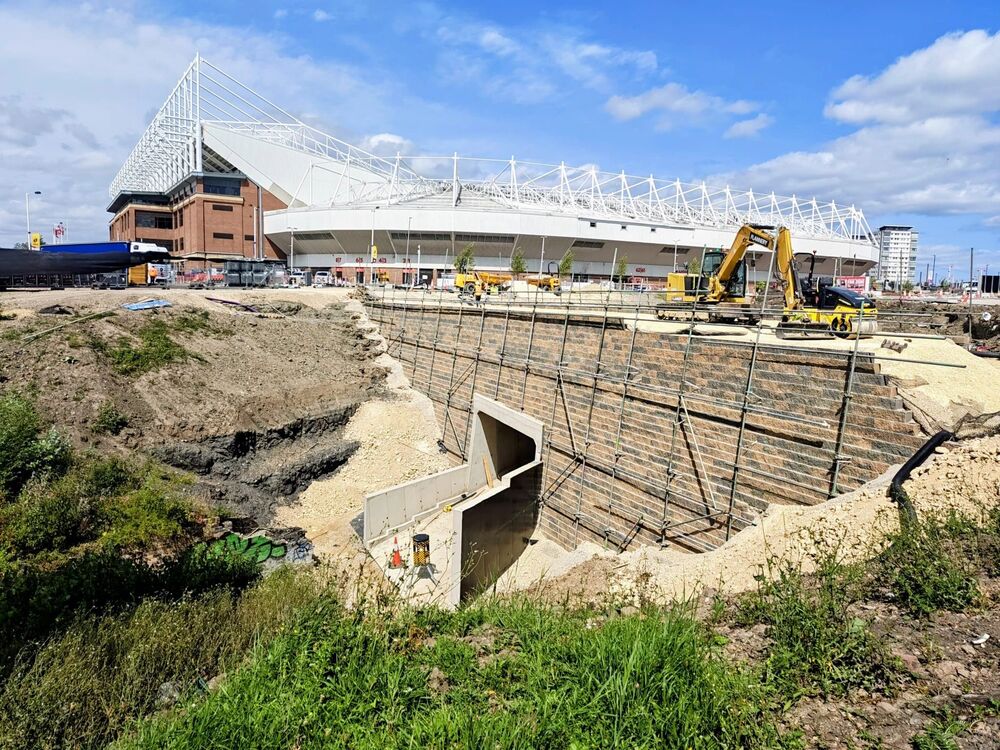
Culvert pipes are primarily used to control surface water and provide drainage paths to protect infrastructure from water-related damage. They can vary in size and shape and can be made large enough to be used as pedestrian walkways. Culvert pipes are frequently required to pass through retaining walls that are in place to prevent erosion and stabilise the ground by resisting lateral pressure from the soil.
For reasons we will explain in this blog, culvert pipes are easy to accommodate during design and construction when specified with segmental retaining walls. Culvert pipes have little impact on the cost efficiency, installation speed and material availability that comes when specifying and constructing segmental retaining walls.
There is very little impact on design when a culvert pipe is required to run through a retaining wall. This is due to the fact that a retaining wall is retaining horizontal pressure from the soil not vertical. Therefore, where a pipe is running through, there is no horizontal pressure at that point on the retaining wall, so no extra forces need to be included in the structural calculations.
If the size of the culvert pipe is quite large compared to the retaining wall, then more layers of geogrid reinforcement may need to be introduced to compensate for the loss of layers that would have been in place where the pipe now sits.
The fundamental construction of the retaining wall is not affected by the inclusion of a culvert pipe passing through it. Any additional geogrid reinforcement required will be identified within the design specification.
The section of the wall face where the pipe penetrates will need to be detailed to suit the shape of the pipe. Where the culvert pipe is circular, the rectangular concrete blocks used in a segmental retaining wall may need to be cut to form a radius around the pipe in order to achieve a neat visual finish. However, culvert pipes are often located in less visible areas of a development, meaning concrete can instead be used to create a practical and durable seal around the pipe opening.
In some cases, culvert pipes are supplied with pre-cast headwalls. These are often square or angled in shape, which can make finishing the surrounding area with retaining wall blocks more straightforward.
Secura is a mortarless retaining wall, engineered for simple and efficient on-site construction, reducing the need for wet trades or specialist plant.
Where a culvert pipe is located beneath a road or footway that is due to be adopted by the local authority, or where routine maintenance access is required, this must be considered during the retaining wall design stage.
In these situations, the area directly above the pipe is left free of geogrid reinforcement to allow the ground to be excavated in the future for inspection, maintenance or repair works without affecting the structural integrity provided by the retaining wall. The retaining wall design will account for this by introducing additional layers of geogrid in other locations, where necessary, to ensure that the overall stability and structural performance of the retained soil is not compromised.
There are also scenarios where the culvert pipe runs parallel to the retaining wall rather than passing directly through it. This arrangement can similarly be accommodated within the design and construction process, ensuring the retaining wall continues to provide the required structural support while maintaining clear access to the pipe by keeping the area directly above it free from geogrid reinforcement.

Tobermore has extensive expertise and experience in supplying our range of Secura Grand concrete retaining wall blocks for projects where culvert pipes of different shapes and sizes need to be considered during its design and construction.
Alex Walther, Head of Technical Sales at Tobermore, explains how easy it is to factor in the presence of culvert pipes in retaining walls: “We regularly deal with specifications that have culvert pipes travelling through retaining walls. They have little to no effect on the forces acting upon the retaining wall and may sometimes require adjustments to the frequency or position of geogrid layers. The detailing around the culvert pipe can require more attention during construction. Overall, culvert pipes are quire routine and have no impact the ease of specification and construction that our customers come to expected from our segmental retaining wall solutions. ”
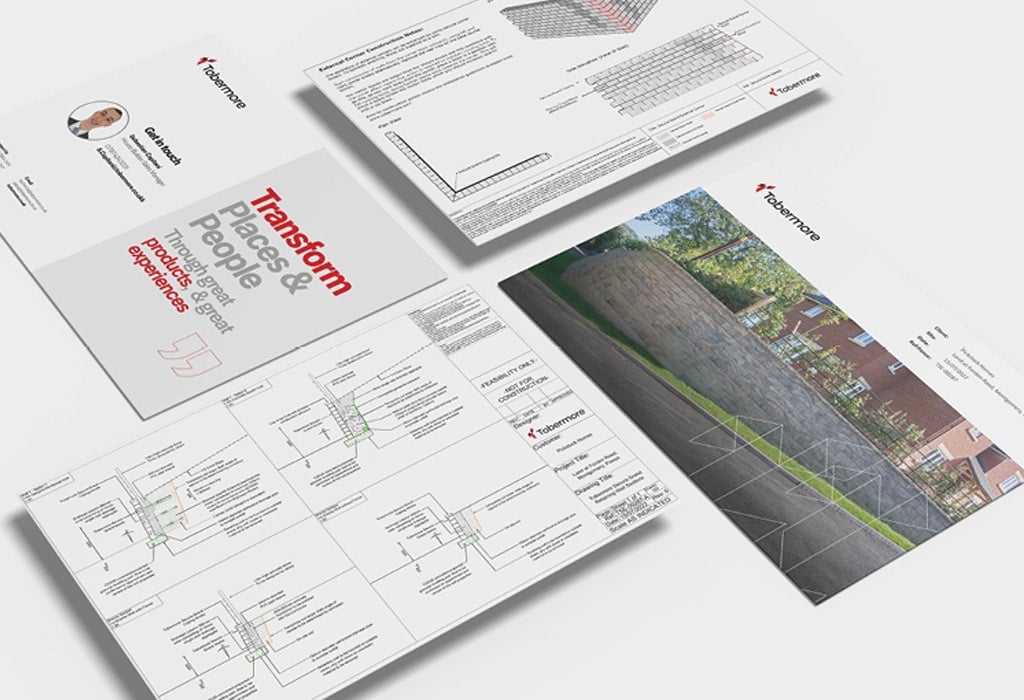
From initial concept to specification, our expert team can help you identify the right retaining wall solution for your project. Request your complimentary Secura Retaining Wall Design & Estimate today.